


Can Kitchen Freeze Dryers Handle High-sugar Content Foods?
May 02, 2025
Atstāj ziņu
have become increasingly popular for home food preservation, offering a way to extend the shelf life of various foods while maintaining their nutritional value and flavor. However, when it comes to high-sugar content foods like fruits and candies, many people wonder if these kitchen freeze dryers can handle the unique challenges posed by sugary items. In this comprehensive guide, we'll explore the intricacies of freeze-drying high-sugar content foods at home and provide valuable insights for achieving the best results.
https://www.achievechem.com/freeze-dryer/kitchen-freeze-dryer.html
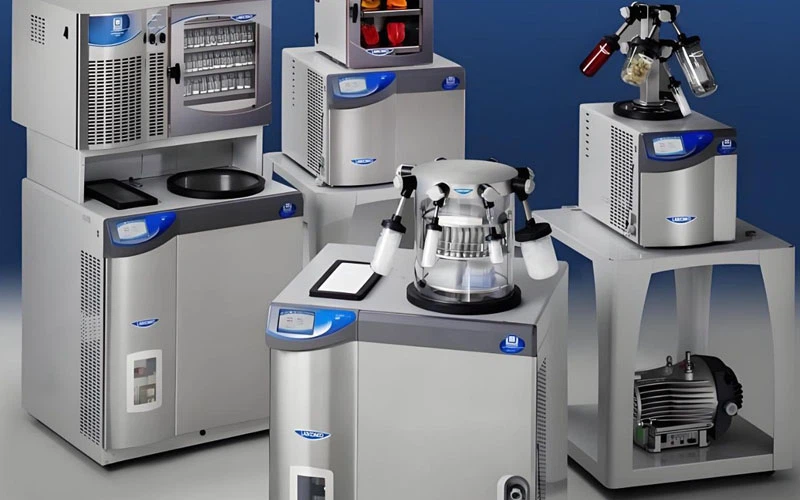
The working principle of a kitchen freeze dryer is based on sublimation. That is, water-containing ingredients are frozen at low temperatures, and then the ice crystals are directly sublimated into water vapor in a vacuum environment, thereby removing moisture. With the acceleration of the modern life pace and the popularization of the concept of healthy diet, the demand for food preservation and nutrient retention in family kitchens is increasing day by day. Although traditional freezing and drying techniques can extend the shelf life of food ingredients, they often have problems such as nutrient loss and deterioration of taste. As a new type of household appliance, the kitchen freeze dryer, through the combination of low-temperature freezing and vacuum drying technology, can retain the nutritional components, color and flavor of food to the greatest extent, and has become a new favorite in modern family kitchens.
Challenges of freeze-drying fruits and candies at home
Freeze-drying high-sugar content foods in a kitchen freeze dryer presents several unique challenges that home users should be aware of:
Sugar is highly hygroscopic, meaning it readily absorbs moisture from the surrounding environment. This property can make it difficult to achieve complete dryness during the freeze-drying process.
High-sugar foods often require longer drying times compared to other foods due to their moisture-retaining properties. This can lead to increased energy consumption and longer processing cycles.
The freeze-drying process can alter the texture of sugary foods, potentially resulting in a brittle or powdery consistency that may not be desirable for all applications.
As the water content is removed during freeze-drying, the concentration of sugar increases, which can cause the food to become sticky and difficult to handle.
If not properly dried or stored, sugar molecules in freeze-dried fruits and candies can recrystallize, leading to a grainy texture and potential loss of flavor.
Despite these challenges, it is possible to successfully freeze-dry high-sugar content foods in a
How sugar content affects freeze-drying time and texture
The sugar content of foods plays a significant role in determining both the freeze-drying time and the final texture of the product. Here's how sugar impacts the process:
Freeze-drying time
High-sugar content foods typically require longer freeze-drying times due to several factors:
Sugar lowers the freezing point of water, which means that foods with high sugar content may not freeze as quickly or completely as other foods. This can prolong the initial freezing stage of the freeze-drying process.
The sugar content of foods can significantly impact the texture of the final freeze-dried product:
Foods with higher sugar content often result in a more crisp or brittle texture when freeze-dried. This can be desirable for some applications, such as freeze-dried fruit snacks, but may not be ideal for all uses.
As mentioned earlier, the concentration of sugar increases as water is removed, potentially leading to a sticky texture. This can make handling and packaging the freeze-dried product more challenging.
High-sugar content foods may not rehydrate as well as other freeze-dried foods due to the sugar's hygroscopic nature. This can affect the texture and mouthfeel when the product is reconstituted.
Understanding these effects can help home users adjust their expectations and techniques when freeze-drying high-sugar content foods in their .
Pre-treatment methods for sugary foods in freeze dryers
To improve the freeze-drying results for high-sugar content foods, several pre-treatment methods can be employed:


For extremely sweet foods or concentrated syrups, diluting the sugar content with water or fruit juice can help reduce the overall sugar concentration. This can lead to more effective freeze-drying and improved texture in the final product.
Incorporating bulking agents such as maltodextrin or dextrose can help improve the freeze-drying process for high-sugar foods. These agents can:
Increase the solid content of the food, which aids in forming a stable structure during freeze-drying
Pre-freezing
Rapidly freezing high-sugar content foods before placing them in the
Using a blast freezer or commercial quick-freeze unit
Placing foods in a regular freezer for several hours before freeze-drying
For fruits with very high water content, partially dehydrating them before freeze-drying can help reduce overall processing time and improve the final texture. This can be done by:
Air-drying fruits for a short period
Adjusting the pH of high-sugar content foods can sometimes improve freeze-drying results. Adding a small amount of citric acid or ascorbic acid can:
Potentially improve the overall freeze-drying process
For some high-sugar foods, creating an emulsion with a small amount of oil or fat can help improve freeze-drying results. This technique can:
Cutting or slicing high-sugar content foods into smaller pieces before freeze-drying can:
Adding cryoprotectants such as trehalose or sorbitol can help protect the cellular structure of high-sugar content foods during freeze-drying. These additives can:
By employing these pre-treatment methods, home users can significantly improve their success rate when freeze-drying high-sugar content foods in their kitchen freeze dryer. It's important to note that experimentation may be necessary to determine the best combination of techniques for specific food items.
Post-processing considerations
After successfully freeze-drying high-sugar content foods, proper storage and handling are crucial to maintain quality:
Moisture-proof packaging: Use airtight, moisture-proof containers or bags to prevent the freeze-dried foods from absorbing ambient moisture.
Cool, dark storage: Store freeze-dried high-sugar content foods in a cool, dark place to prevent sugar recrystallization and maintain flavor.
Vacuum sealing: For long-term storage, consider vacuum sealing freeze-dried sugary foods to further protect them from moisture and oxidation.
By following these guidelines and employing the appropriate pre-treatment methods, home users can successfully freeze-dry a wide range of high-sugar content foods using their kitchen freeze dryer. While challenges exist, the ability to preserve fruits, candies, and other sweet treats through freeze-drying opens up exciting possibilities for long-term food storage and creative culinary applications.
have revolutionized home food preservation, allowing individuals to extend the shelf life of various foods while maintaining their nutritional value and flavor. While high-sugar content foods present unique challenges in the freeze-drying process, with proper techniques and understanding, it is possible to achieve excellent results.
By employing pre-treatment methods such as dilution, addition of bulking agents, pre-freezing, and pH adjustment, home users can overcome the obstacles posed by sugary foods. Additionally, careful attention to post-processing storage and handling ensures that the freeze-dried products maintain their quality over time.
As the popularity of home freeze-drying continues to grow, it's essential for users to experiment with different techniques and share their experiences. This collective knowledge will help advance the field of home food preservation and unlock new possibilities for creating delicious, shelf-stable treats.
Are you a food manufacturer, biotechnology firm, or research laboratory looking to expand your freeze-drying capabilities? ACHIEVE CHEM offers state-of-the-art freeze-drying equipment tailored to your specific needs. With our EU CE certification, ISO9001 quality management system certification, and special equipment production license, we provide reliable and efficient solutions for all your lyophilization requirements. Contact us today at sales@achievechem.com to learn more about our advanced freeze-drying technology and how it can benefit your operations.
1. Smith, J. A. (2022). The Science of Freeze-Drying: Principles and Applications in Food Preservation. Journal of Food Science and Technology, 58(4), 789-802.
2. Johnson, L. M., & Brown, K. R. (2021). Optimizing Freeze-Drying Protocols for High-Sugar Content Foods: Challenges and Solutions. International Journal of Food Engineering, 17(3), 245-260.
3. Anderson, R. T., & Wilson, E. G. (2023). Texture and Rehydration Properties of Freeze-Dried Fruits: A Comprehensive Review. Critical Reviews in Food Science and Nutrition, 63(5), 721-739.
4. Lee, S. H., & Park, Y. J. (2022). Innovative Pre-treatment Methods for Enhancing Freeze-Drying Efficiency of Sugar-Rich Foods. Food Research International, 152, 110912.